
Anti-Scratch Laminate vs Acrylic Laminate: Best Kitchen 2026
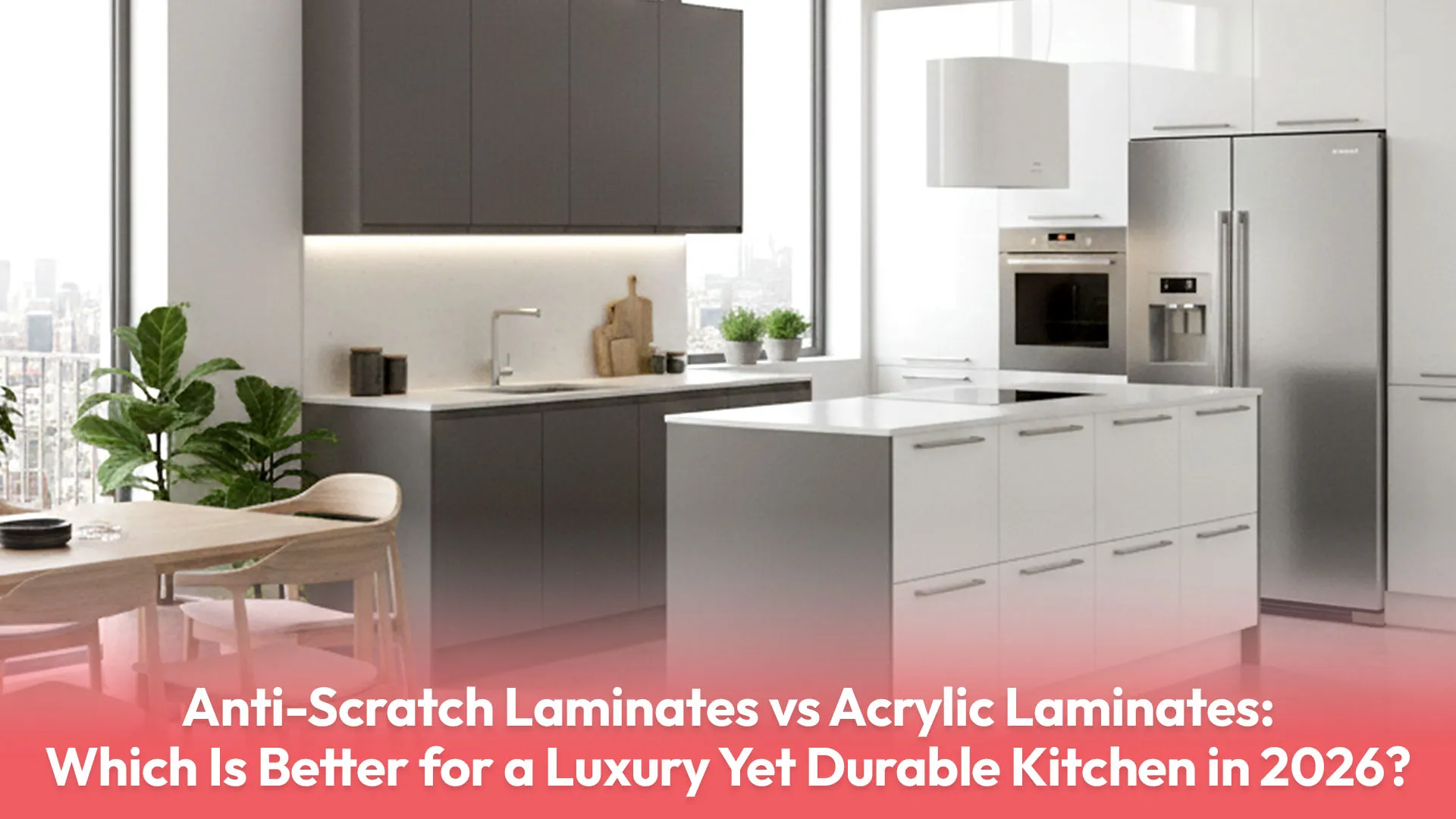
A kitchen is the heart of every home, and choosing the right surfaces can make or break its look and longevity. With homeowners seeking both style and durability, the debate over anti-scratch laminate vs acrylic laminate has never been more relevant.
We’ve seen kitchens transform dramatically with the right choice of laminates. While acrylic laminates offer high gloss and a sleek finish, anti-scratch laminates provide resilience against scratches, stains, and daily wear. In this blog, we’ll explore why we recommend certain materials, helping you design a luxurious yet durable kitchen that stands the test of time.
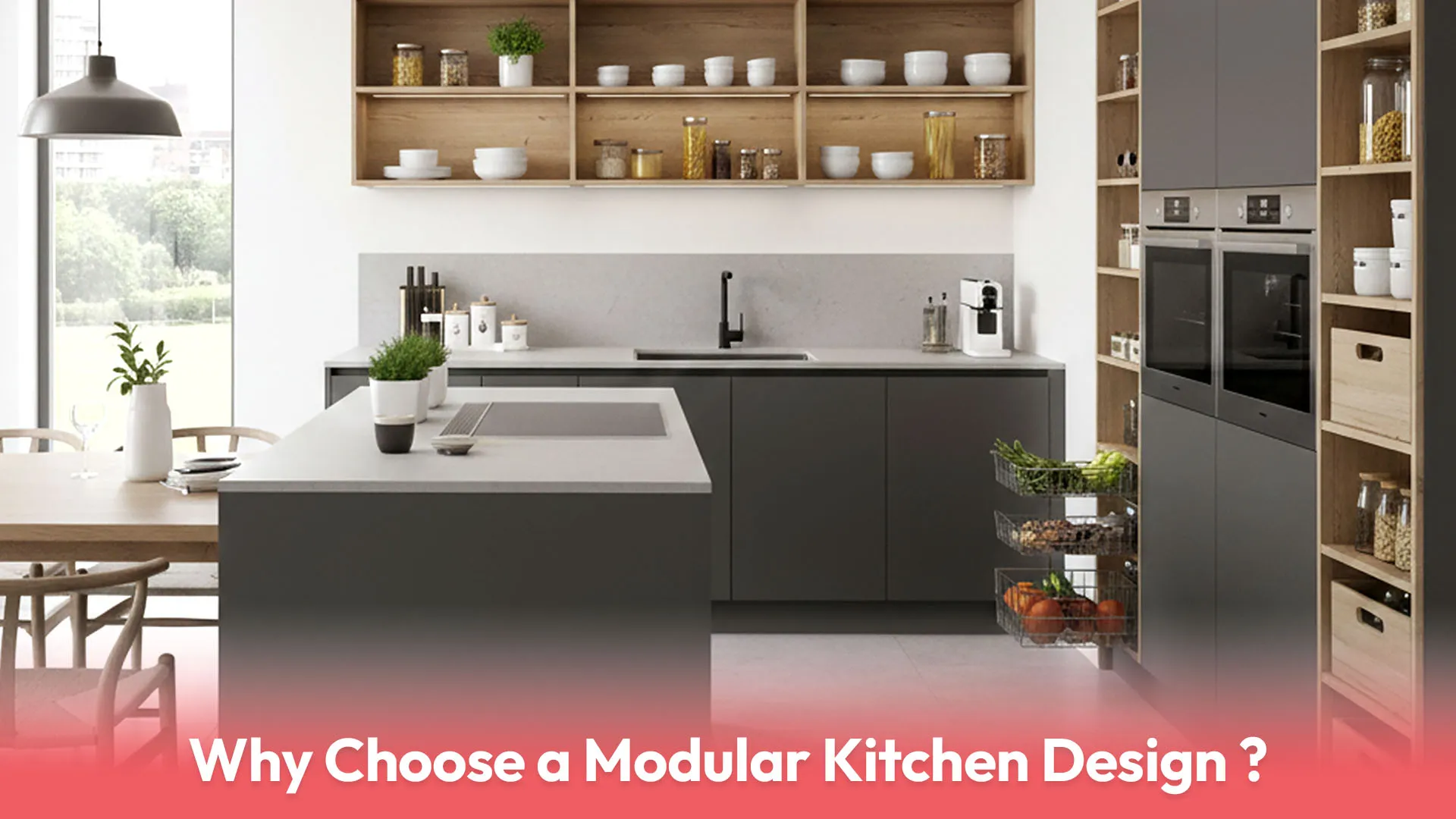
Why Choose a Modular Kitchen Design?
We believe a modular kitchen is not just about aesthetics—it’s about creating a functional, efficient, and beautiful space. Choosing between anti-scratch laminate vs acrylic laminate plays a pivotal role in achieving this. Here’s why we recommend modular designs:
- Enhanced Durability
Anti-scratch laminates provide superior resistance to scratches, stains, and everyday wear. When paired with smart modular layouts, this ensures your kitchen remains pristine for years. Acrylic laminate disadvantages, such as visible scratches, are avoided in high-traffic areas. - Customizable Design Options
Modular kitchens allow you to select from a variety of finishes, colors, and textures. Whether you prefer matte or glossy laminates, you can design cabinets that match your personal style while optimizing workflow. - Efficient Storage Solutions
A key advantage of modular kitchens is smart storage integration. Anti-scratch laminates help keep cabinet surfaces clean, durable, and resistant to minor abrasions, enhancing the longevity of your storage solutions. - Low Maintenance & Easy Cleaning
Kitchen surfaces see spills, stains, and heat exposure daily. Anti-scratch laminates are easier to clean than acrylic laminates, reducing long-term maintenance. This is why the best laminates for modular kitchen designs often prioritize anti-scratch options. - Cost-Effective & Long-Term Value
Although initial costs may vary, anti-scratch laminates offer a better return on investment. The anti-scratch laminate price is competitive, and the durability ensures fewer replacements, providing long-term savings.
A well-planned modular kitchen using the right laminate materials blends beauty, practicality, and resilience—creating a space we are proud to craft for homeowners.
Things to Consider Before Hiring a Modular Kitchen Designer
Selecting the right designer ensures your kitchen’s success. Here are our top three considerations:
- Material Expertise
We always prioritize designers who understand kitchen laminate comparison. They can guide you between anti-scratch laminate vs acrylic laminate, considering durability, aesthetics, and your daily kitchen usage. - Design Experience & Customization
Your kitchen should reflect your style. Experienced designers ensure precise cabinet layouts, proper ergonomics, and functional designs, combining both anti-scratch and acrylic laminates in optimal areas. - Budget & Maintenance Guidance
A knowledgeable designer advises on costs, including anti-scratch laminate price and potential upkeep. They help balance luxury finishes with practicality, ensuring the kitchen remains beautiful without hidden costs.
Considering these factors allows us to deliver kitchens that are both stylish and functional, giving homeowners peace of mind.
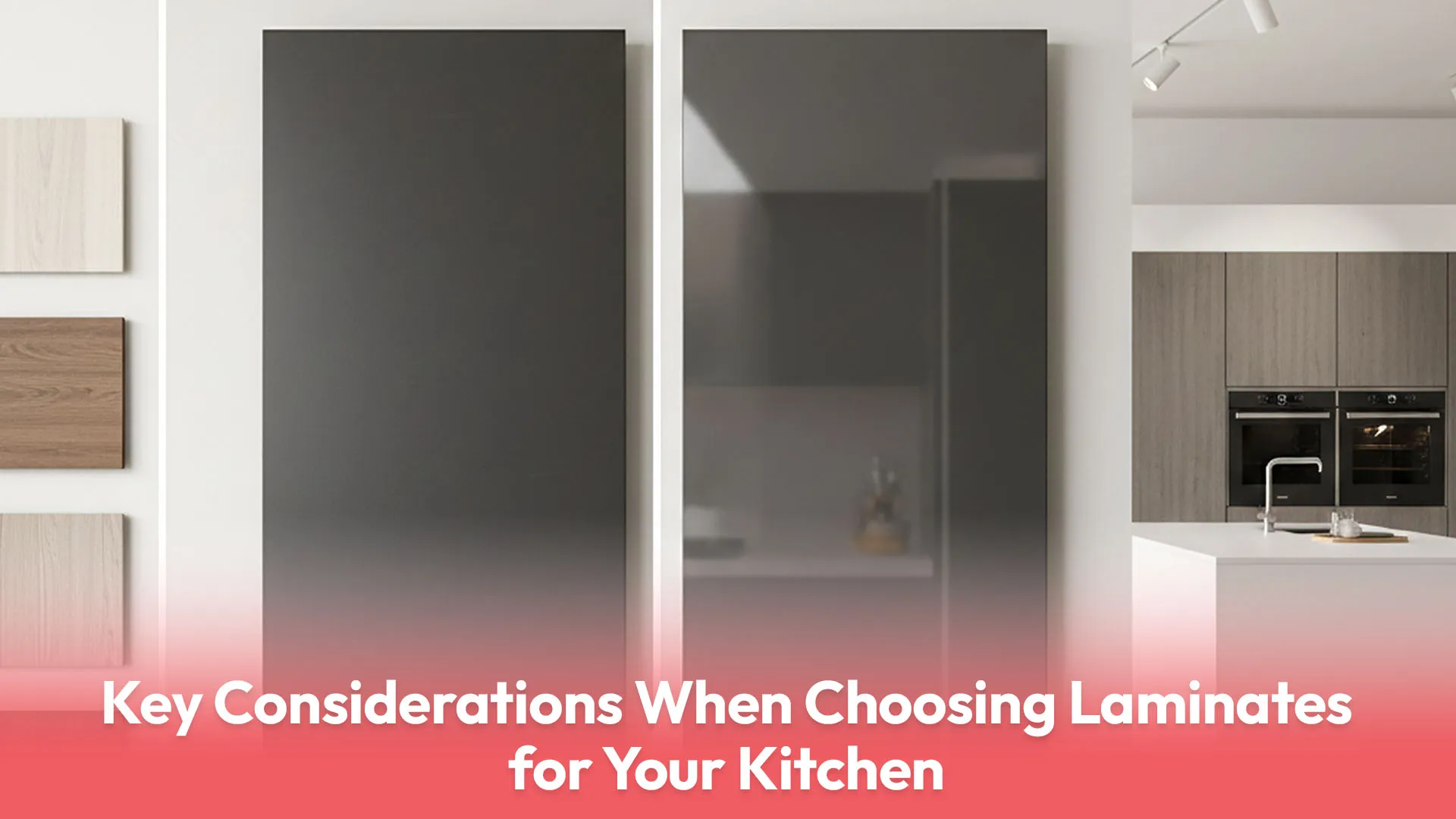
Key Considerations When Choosing Laminates for Your Kitchen
Choosing the right laminate ensures your kitchen combines beauty and durability. When comparing anti-scratch laminate vs acrylic laminate, we focus on:
- Durability & Resistance
Anti-scratch laminates are highly resistant to scratches, abrasions, and heat. Acrylic laminates, while glossy, may show wear over time—making anti-scratch options ideal for busy kitchens. - Maintenance & Cleaning
Anti-scratch laminates are easy to maintain, resisting stains and water damage. Acrylic laminate disadvantages include visible scratches and fingerprints, demanding frequent cleaning to retain its shine. - Budget & Price Considerations
Understanding the anti-scratch laminate price is crucial. Anti-scratch laminates provide long-term savings due to lower replacement needs, while acrylic laminates may require refinishing over time. - Finish & Aesthetic Options
We guide clients on glossy vs matte laminate for kitchen preferences. Glossy acrylic offers shine, while anti-scratch laminates come in matte and textured finishes for practical elegance. - Environmental & Safety Considerations
Eco-conscious homeowners benefit from anti-scratch laminates that use sustainable materials. Acrylic laminates may contain higher VOCs, so anti-scratch surfaces contribute to a healthier kitchen. - Integration with Modular Design
We ensure that laminate selection complements cabinet layout, storage solutions, and overall ergonomics. A kitchen laminate comparison helps decide which material enhances both beauty and practicality.
Selecting the right laminate is not just about appearance—it’s about creating a durable, low-maintenance, and luxurious kitchen that stands the test of daily use.

Conclusion
Choosing between anti-scratch laminate vs acrylic laminate is crucial for a luxurious yet durable kitchen. Anti-scratch laminates excel in durability, maintenance, and long-term value, making them a practical choice for high-traffic areas. Acrylic laminates offer glossy finishes but come with limitations we carefully consider.
At our company, we bring 23 years of experience to kitchen design, guiding homeowners in selecting the best laminates for modular kitchen layouts. By combining aesthetic appeal with functionality, we deliver kitchens that are not only visually stunning but also built to last, creating spaces you and your family will cherish.
FAQs
1. Which is better: anti-scratch laminate or acrylic for the kitchen?
Anti-scratch laminates are better for durability, resisting scratches, stains, and daily wear. Acrylic laminates offer high gloss and shine but are prone to scratches, making anti-scratch options ideal for high-traffic, heavy-use kitchens.
2. Do acrylic laminates scratch easily?
Yes, acrylic laminates are prone to scratches and abrasions over time. Daily kitchen activities like handling utensils or cleaning can leave visible marks, making them less suitable for busy or heavily used kitchens.
3. Is anti-scratch laminate waterproof?
Anti-scratch laminates are generally water-resistant, protecting surfaces from spills and moisture. While not completely waterproof, proper sealing and care prevent water damage, making them a practical choice for kitchens and high-humidity areas.
4. What is the price difference between anti-scratch vs acrylic laminate?
Anti-scratch laminates are usually slightly less expensive than acrylic laminates. The price varies based on brand, finish, and quality, but anti-scratch options offer better long-term value due to durability and lower maintenance needs.
5. Which laminate lasts longer in heavy-use kitchens?
Anti-scratch laminates last longer in heavy-use kitchens due to their resistance to scratches, stains, and wear. Acrylic laminates, though glossy and visually appealing, are more susceptible to damage and may require refinishing over time.