
Powerful Monolithic Concrete Construction in 2026
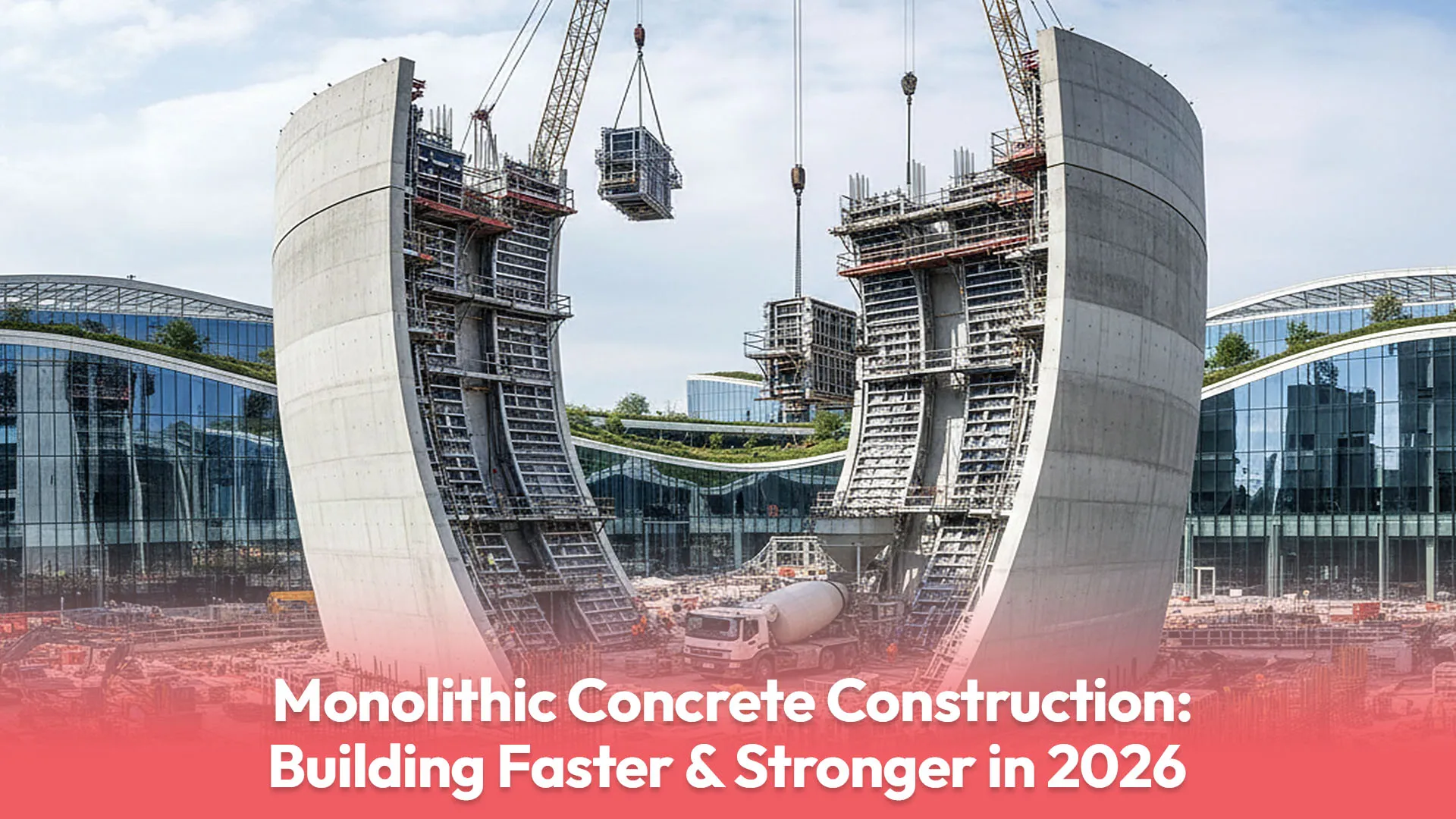
In 2026, monolithic concrete construction is rewriting the rules of engineering precision and construction speed. As builders demand faster frameworks, stronger shells, and long-term resilience, this technique has become the top choice for modern projects. By creating a continuous, joint-free structure, it outperforms traditional methods in quality and performance.
At TeamHome, we’ve witnessed firsthand how monolithic concrete construction elevates timelines, improves durability, and enhances structural consistency. This technique pairs intelligent design with rapid construction technology, making it ideal for residential, commercial, and high-rise developments. The shift toward smarter, future-ready construction is here—and monolithic systems are leading the way.
Why Choose the Monolithic Construction Method?
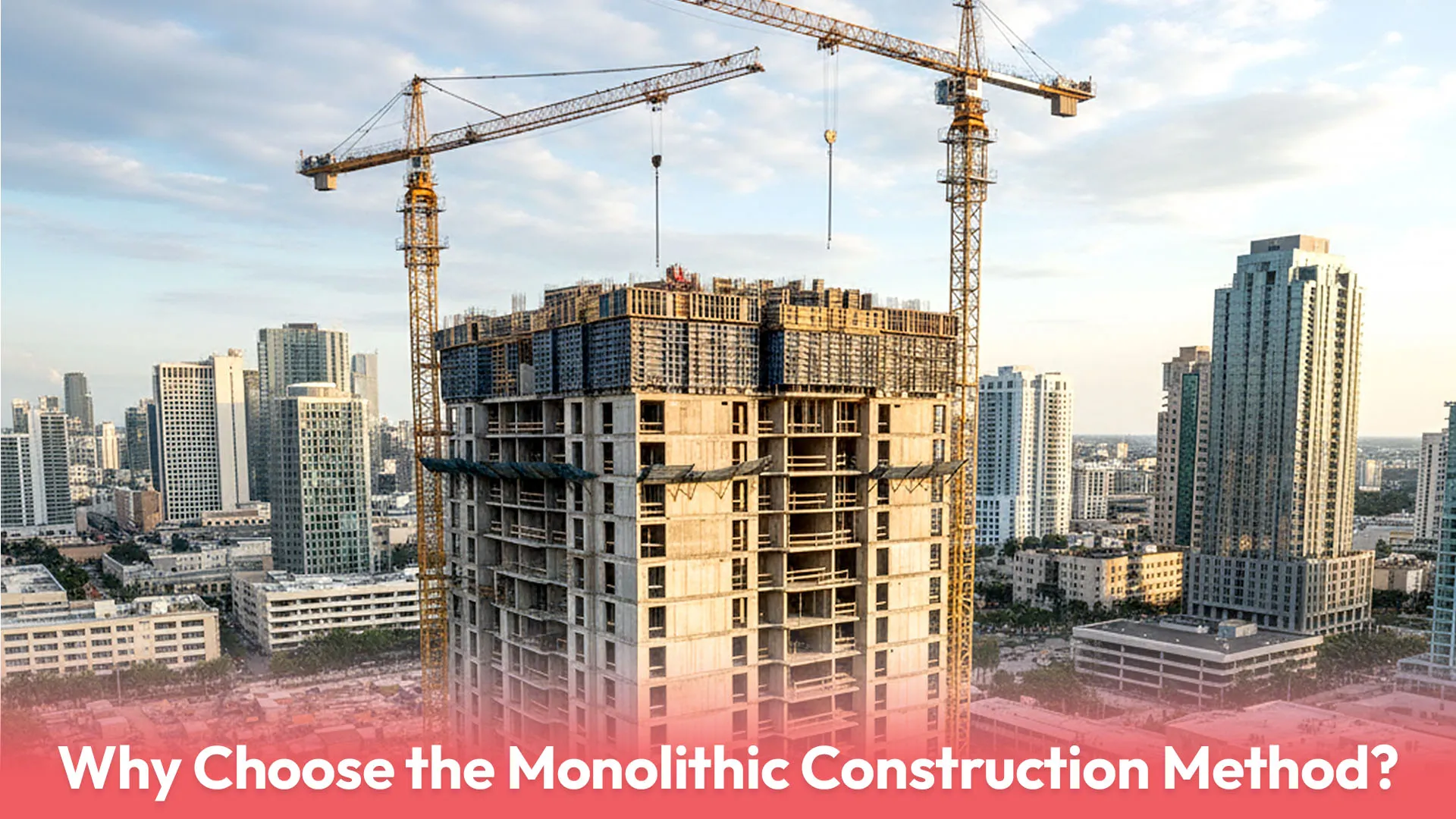
The monolithic construction method has become a preferred choice across India for builders seeking durability and efficiency. Unlike traditional systems, this technique casts walls, slabs, and roofs in one continuous pour, ensuring unmatched uniformity and structural strength.
1. Faster Construction Timelines
By forming large sections at once, builders shorten project cycles dramatically. This approach minimizes delays caused by labor shortages or weather interruptions, making it a leader among rapid construction technologies.
2. Exceptional Structural Strength
A monolithic shell performs as a single unit with no joints or weak points. Using the latest monolithic concrete technology, it offers superior crack-resistance, stability, and load-bearing strength.
3. Excellent Thermal & Acoustic Performance
The continuous concrete envelope naturally enhances insulation. Homes stay cooler, reduce sound travel, and improve energy efficiency—an added advantage over monolithic vs RCC framed structure debates.
4. Cost-Effective Over Time
While the setup requires specialized formwork, long-term savings on repairs, maintenance, and speed-based benefits outweigh the initial cost. Understanding the cost of monolithic construction in India helps builders plan more efficiently.
5. High Safety & Long-Term Resilience
Monolithic structures offer exceptional fire resistance and earthquake stability. The monolithic building system also ensures long-term reliability, making it ideal for large-scale and multi-storey projects.
Things to Consider Before Choosing Monolithic Concrete Construction
While monolithic concrete construction delivers outstanding results, proper planning ensures seamless execution.
Skilled Workforce & Technical Expertise
Monolithic concrete construction requires a highly skilled team trained in aluminium and tunnel formwork. Accurate execution ensures structural strength, safety, and flawless alignment during the single-pour process.
Access to Modern Formwork Systems
The monolithic construction method depends on advanced, reliable formwork systems. High-quality formwork enables precise alignment, faster construction, smoother finishes, and consistent accuracy during large concrete pours.
Perfection in Pre-Planning
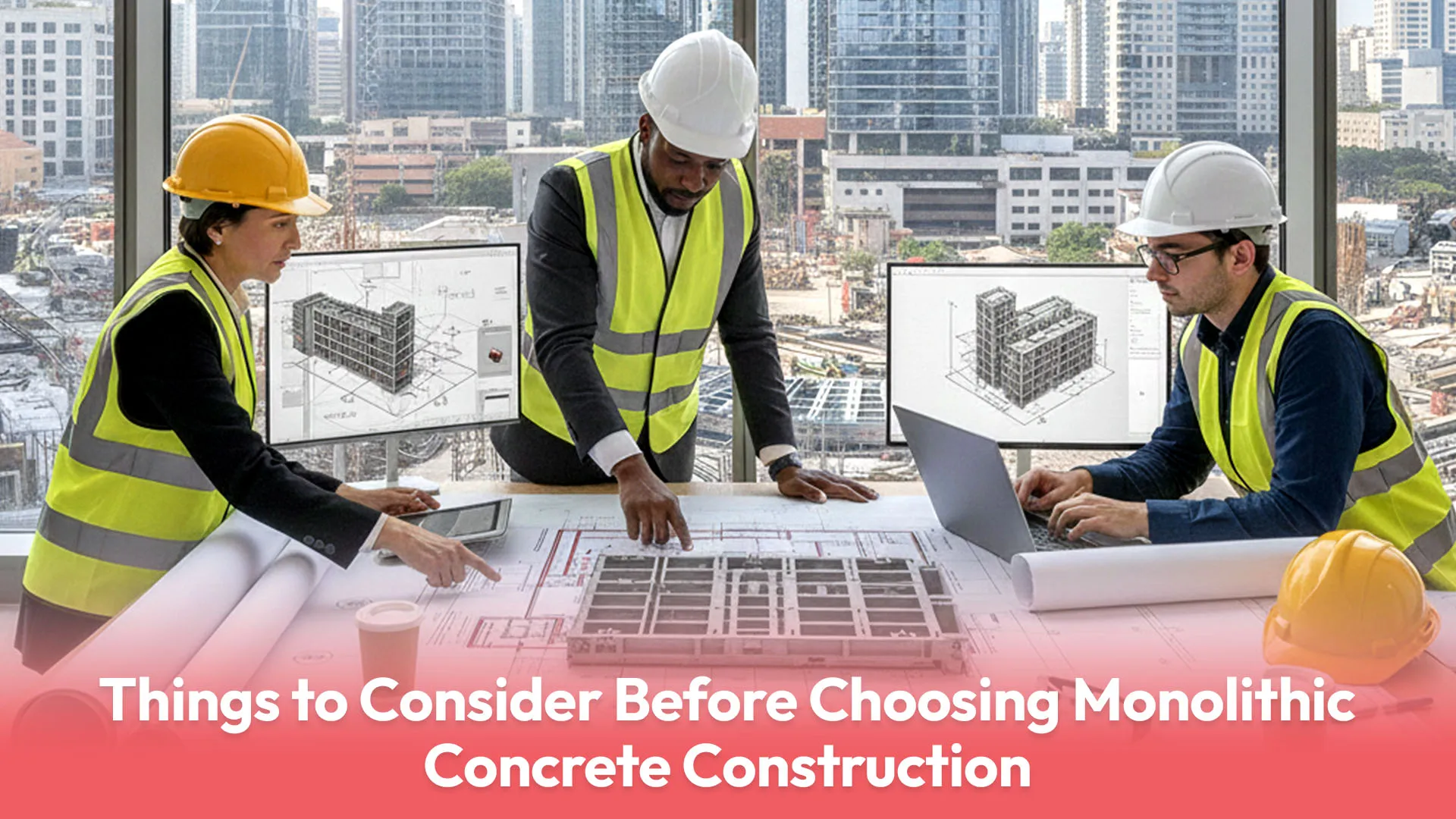
Monolithic structures require all MEP, electrical, and plumbing plans to be finalized beforehand. Strong coordination between engineers and architects prevents rework, ensures smooth pouring, and protects structural integrity.
With strong planning, skilled teams, and dependable formwork systems, monolithic concrete construction delivers fast timelines, long-term durability, and reliable performance—making it a future-ready solution for modern builders.
6 Best Reasons Builders Prefer Monolithic Concrete Construction in 2026
1. Unmatched Speed & Faster Delivery
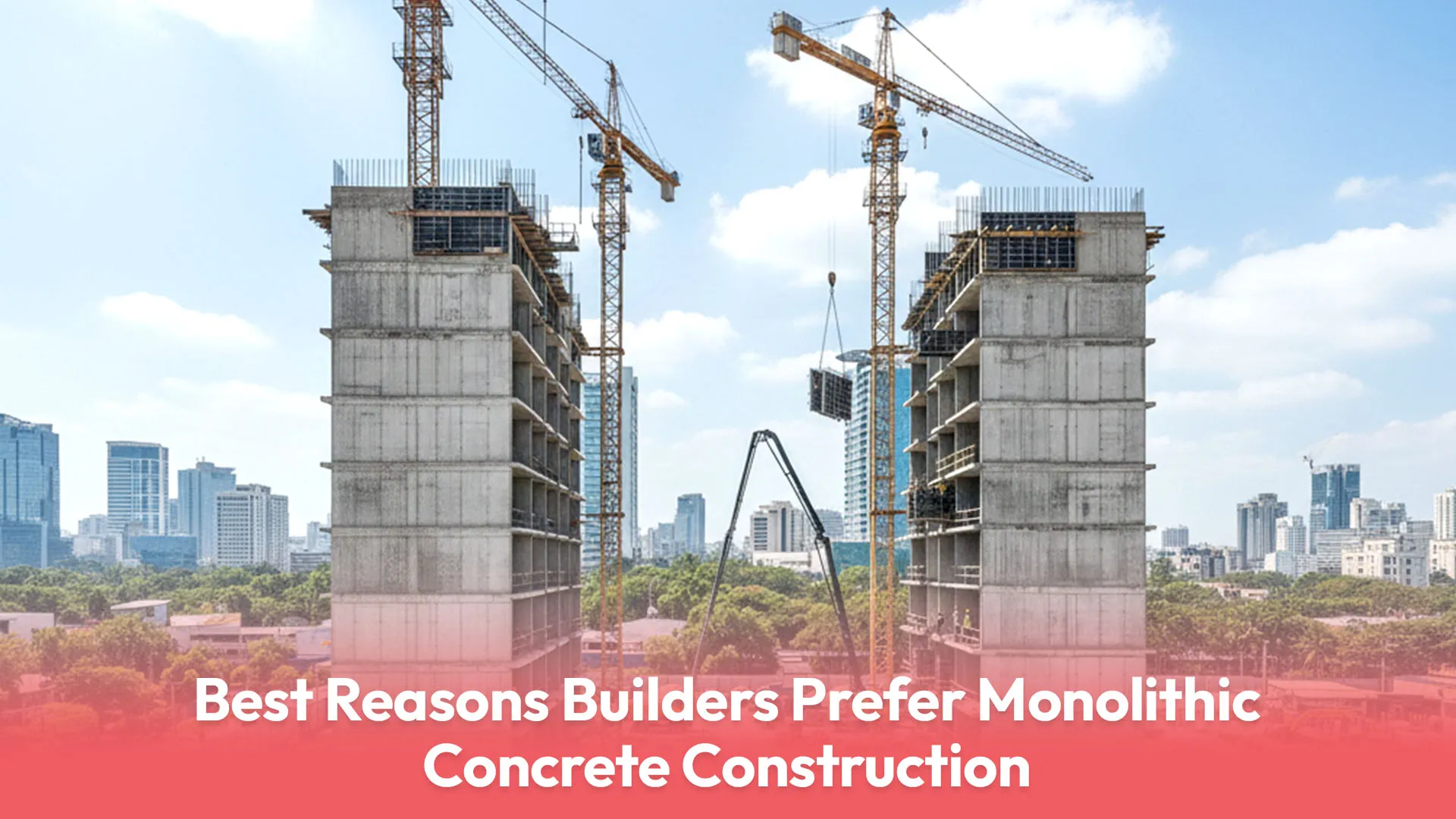
Monolithic systems drastically accelerate construction timelines by completing walls and slabs in one continuous pour. Entire floors can be finished within days, reducing project delays, improving workflow efficiency, and helping builders deliver ahead of schedule—boosting overall project turnover.
2. Higher Profit Margins & Reduced Overheads
By minimizing labor needs, cutting down construction stages, and optimizing material usage, monolithic systems help builders significantly reduce operational expenses. Faster construction cycles also lower rental costs for equipment, ultimately increasing profit margins and making the method financially attractive.
3. Superior Long-Term Structural Performance
Since the structure is cast as one seamless unit, long-term issues like cracks, water seepage, and differential settlement are greatly reduced. This improves the building’s durability, decreases maintenance complaints, and enhances resale value—benefiting both builders and homeowners over time.
4. Better Earthquake & Weather Resistance
With a uniform, joint-free shell, seismic forces are distributed evenly across the structure, reducing damage during earthquakes. The method also offers better resistance to wind, moisture, and extreme weather, making it ideal for multi-storey and high-rise buildings.
5. Cleaner, More Organized Construction Sites
Monolithic construction eliminates multiple manual stages, reducing clutter and material waste on-site. With fewer moving parts and streamlined workflows, projects remain cleaner, safer, and easier to coordinate—allowing teams to maintain higher productivity and better quality control.
6. Higher Customer Satisfaction
Buildings constructed using monolithic systems offer excellent insulation, enhanced soundproofing, superior structural strength, and long-lasting durability. These benefits create more comfortable living spaces and fewer maintenance issues, helping builders establish trust, strengthen brand reputation, and encourage customer loyalty.

Conclusion
The rise of monolithic concrete construction marks a massive leap forward in structural quality, safety, and construction speed. Its joint-free strength, thermal stability, and long-term durability make it one of the most reliable building techniques in India today. As more developers compare monolithic vs RCC framed structure, the monolithic method clearly leads in efficiency and performance.
At TeamHome, we’re committed to delivering future-ready homes using advanced engineering and precise execution. Our expertise in monolithic concrete construction ensures your project is built with world-class quality, improved speed, and long-lasting stability—so your dream home stands strong for decades.
FAQs
1. What is monolithic concrete construction?
It’s a technique where walls and slabs are poured together in a single continuous process, creating a strong, seamless structure with fewer joints, faster completion, and better long-term durability.
2. Is monolithic construction stronger than a brick wall?
Yes. Since the structure is cast as one solid unit, it offers higher load-bearing strength, better resistance to cracks, and improved performance against earthquakes and wind compared to traditional brick walls.
3. How much does monolithic construction cost per sq ft in India?
Costs vary based on materials, location, design complexity, and labor. On average, pricing may fall slightly above conventional methods but often balances out through faster timelines and long-term savings.
4. Is monolithic construction safe for multi-storey buildings?
Absolutely. Its unified structure offers excellent stability, enhanced seismic resistance, and minimal weak points, making it a reliable and widely used option for high-rise and multi-storey buildings.
5. How long does monolithic construction last?
With proper maintenance, it can last several decades. Its joint-free structure reduces water ingress and deterioration, allowing the building to maintain strength and durability over a long lifespan.