
Understanding the Different Types of Structural Steel and Their Uses
Do you wonder whether one structural steel type will more favourably affect your construction projects than the other? Whether the construction project entails the construction of a high-rise commercial building or a suburban house, it is important to select the correct kind of steel for the construction of the required structure, as well as further strength, affordability, and reliability.
All types of structural steel have advantages, and this makes it striking to identify the one that will suit the required needs, the most. Now, let’s take a closer look at structural steel and the different types and applications that you may consider when taking on your next project.
See Also: Top 6 Sustainable Construction Materials for a Green Future
What is Structural Steel?
Construction steel, or Structural steel, as it is more widely known, is steel shapes and sections meant for construction. It is for all types of buildings, from industrial ones to small houses. Steels differ in their strength, flexibility, and best use in a construction project.
Based on the kind of project that is being undertaken, several types of structural steel are available that are aimed at offering as much support as possible for as long as is humanly possible. Contact us for building construction in Bangalore today!
Different Types of Structural Steel and Their Uses
1. Universal Beams
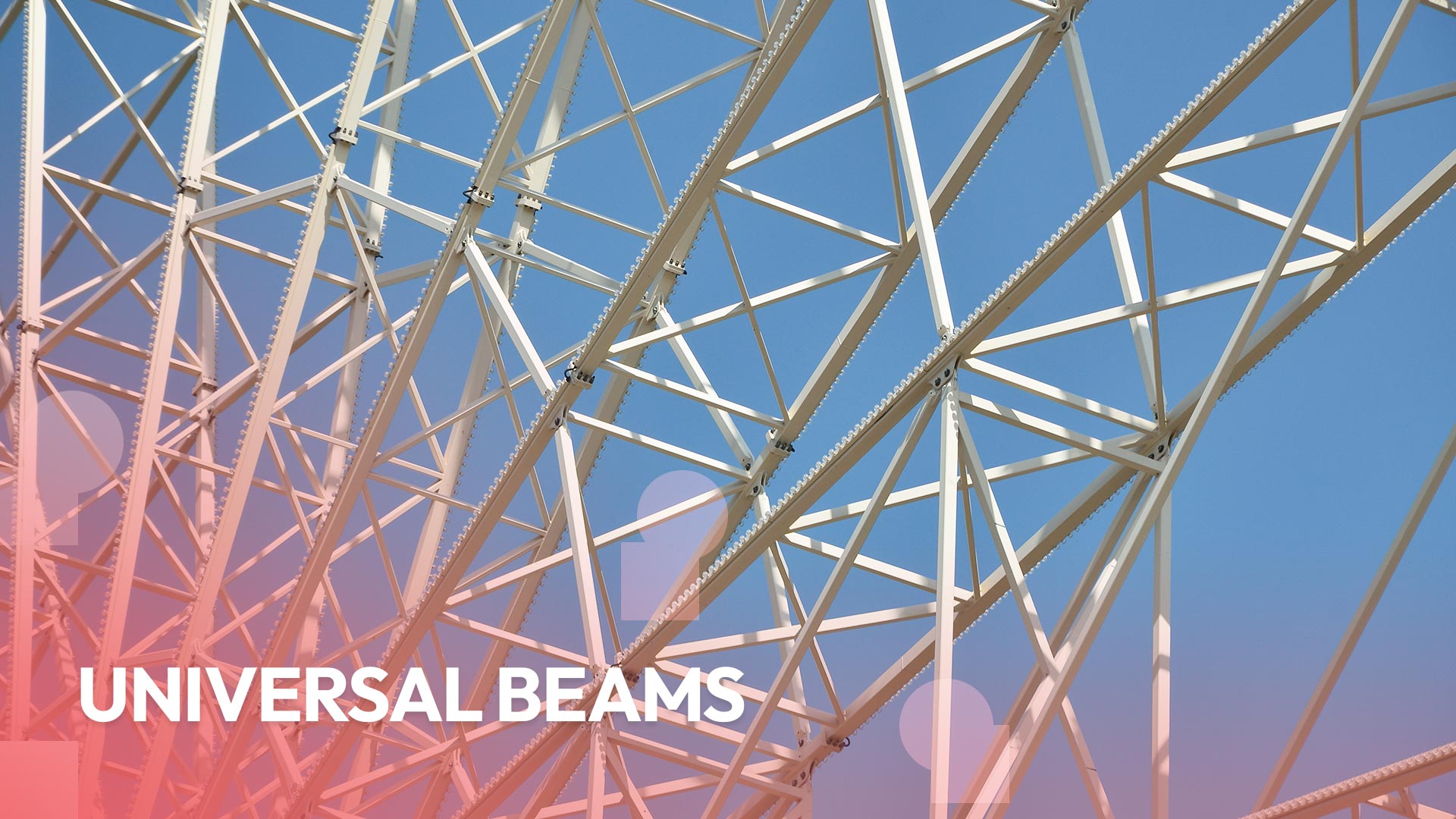
The universal beams which are also called I-beams or H-beams are one of the most popular types of structural steel used in construction. The two shapes are “I” or “H” with enormous flanges and a small web, giving them excellent strength to support loads.
These designs permit to effectively provide support in either face-upward or flat positions. They are especially useful where a lot of load is needed to be supported, which is why it is impossible to imagine large construction projects without universal beams.
Uses:
- Load-bearing beams in multi-story buildings.
- Support structures for bridges.
- Beams for residential framing.

2. Tee Sections
Tee sections are another essential type of structural steel, resembling the letter “T.” These sections are known for their ability to provide support in structures with lightweight frameworks. Tee sections are commonly used in areas that require a balance between strength and flexibility. They offer significant stability while reducing the amount of material needed compared to other types of structural steel, making them a cost-effective solution.
Uses:
- Roof trusses in warehouses and factories.
- Structural reinforcement for bridges.
- Beams for large-scale industrial machinery support.
3.Tapered Flange Beams
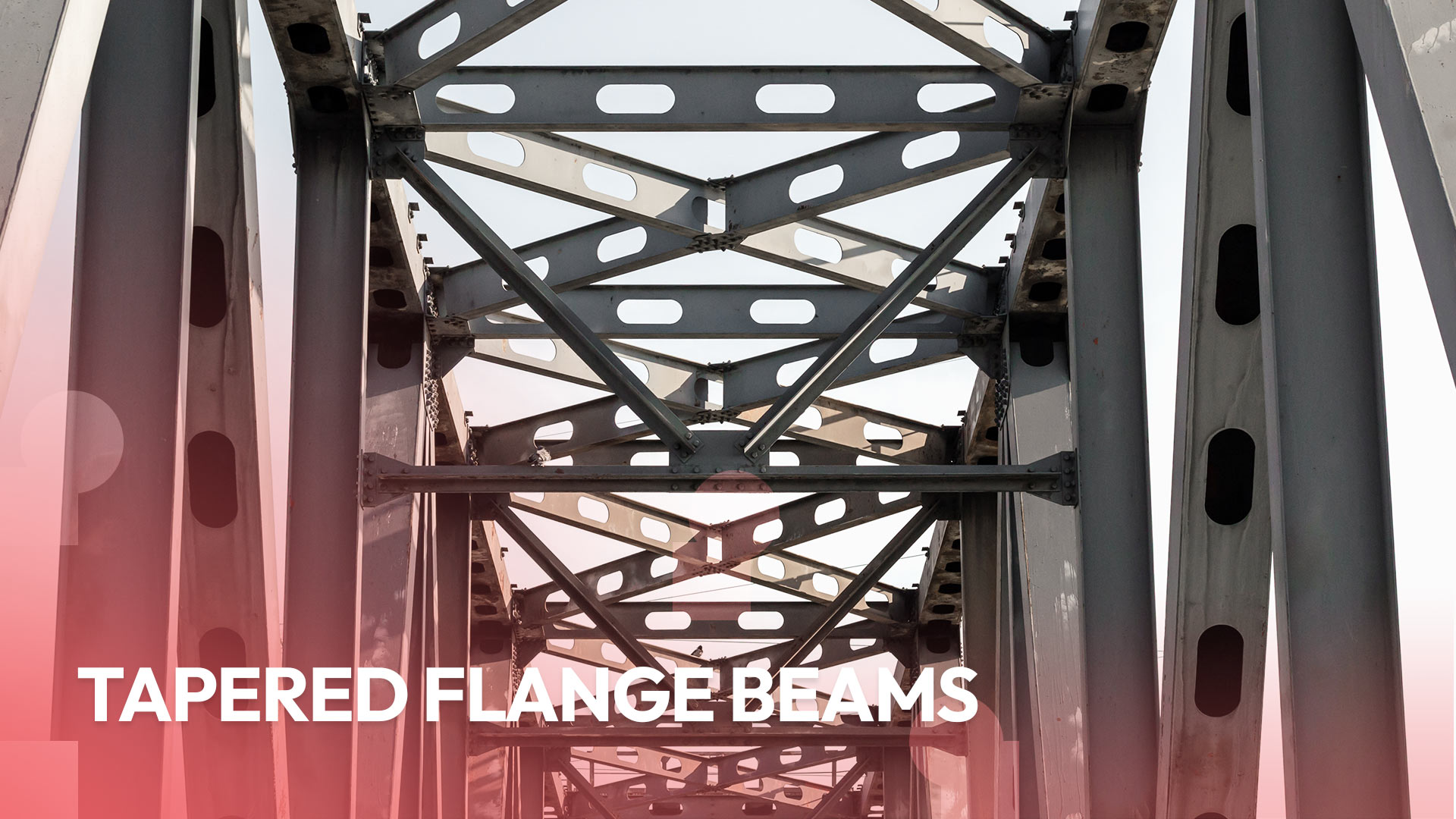
Tapered flange beams are a unique type of structural steel whose flanges converge at the ends in a tapered fashion, thus making them lighter than most other beams but not compromising on strength. These beams can be of special use in lengthy structures where the volume-to-weight ratio has to be low so that the load is adequately supported.
Due to their light nature, they are widely used in projects that need optimized performance and cheap materials to work with. Contact us today to get in touch with the best construction company in Bangalore!
Uses:
- Roof framing for large industrial buildings.
- Support beams for bridges with long spans.
- Structural framing in warehouses.
4. Parallel Flange Channels
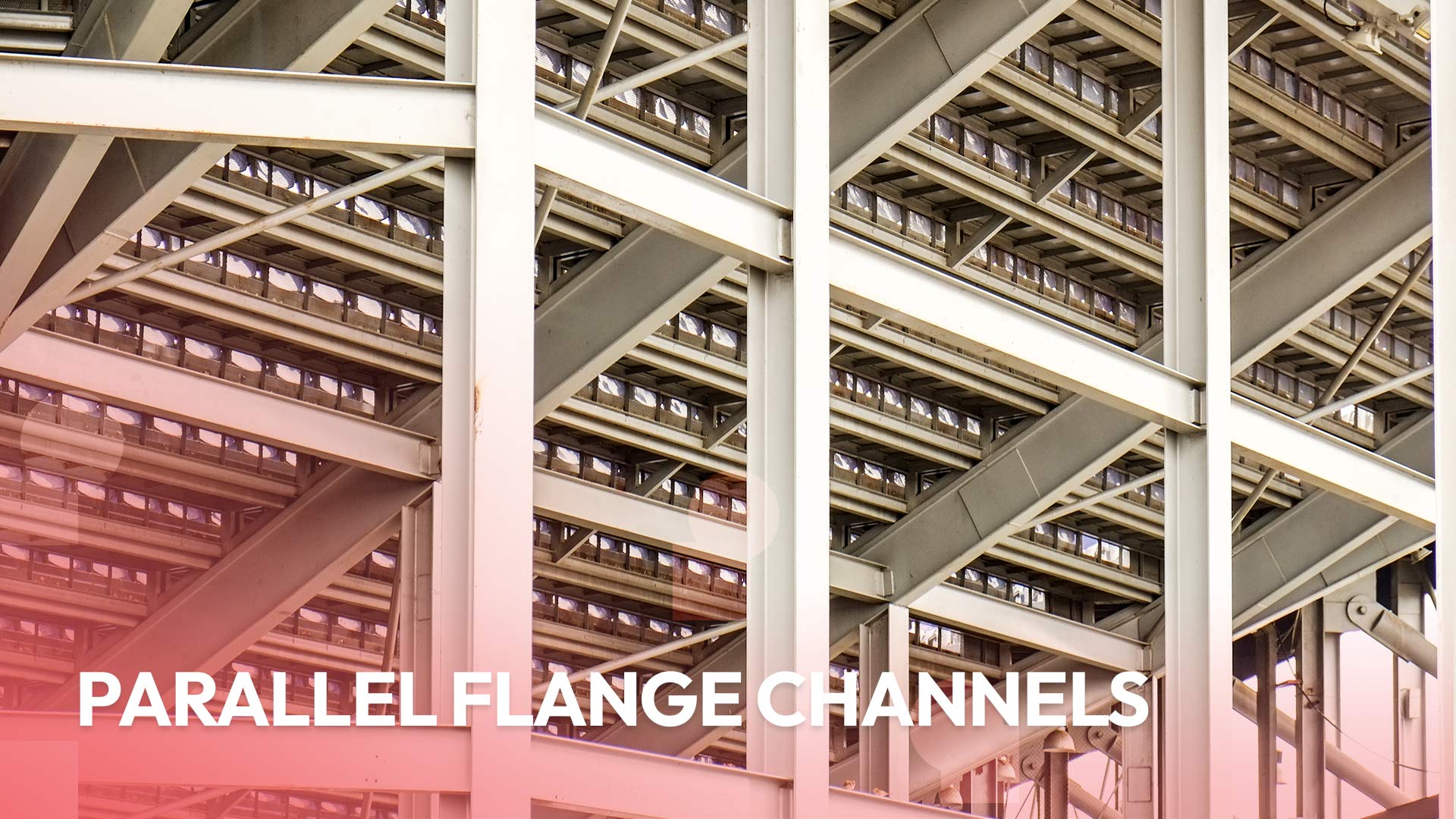
Parallel flange channels are U-shaped and they offer admirable strength-to-weight ratios that make it a very popular type of structural steel that is used in construction projects, among others. These channels also apply parallel flanges and thus offer harassed designs both vertically and horizontally. On account of its small density and excellent tensile properties, it is well suited for secondary structural application and incorporated in framing members.
Uses:
- Structural support for mezzanine floors.
- Bracing elements in steel structures.
- Lightweight roof supports in commercial buildings.

5. Angled Beams
L-beams or angled beams, are a type of structural steel that is used for making support in an inclined direction. Because of their ‘L’ shape configuration, they easily transfer the loads from one structural member to the other, which makes them ideal for installation at corners or edges of various construction undertakings. These beams are remarkably flexible and are often employed to give joints more support in numerous construction styles.
Uses:
- Corner reinforcements in residential homes.
- As connecting beams in bridges.
- Steel framing in industrial warehouses.

6. Plates
Steel plates are flat pieces of structural steel that come in a standard size and thickness but can be put into different shapes and thicknesses depending on the project requirements. They use plates in the construction industry due to features such as flexibility and high strength, and they can be manufactured to fit certain projects and designs. Most of them are used as footing slabs under columns or in structures that require additional support, such as in heavily loaded areas.
Uses:
- Base plates for columns in skyscrapers.
- Reinforcement for structural foundations.
- Flooring for heavy machinery spaces in industrial facilities.

7. Channels
Channels are a type of structural steel with a C-shaped cross-section. These channels are frequently used in lightweight structural designs where high strength and minimal material are necessary. Channels are commonly used in wall framing as well as in roof support systems due to their ability to carry vertical loads efficiently. Their U-shape also makes them suitable for bracing applications.
Uses:
- Wall framing in metal buildings.
- Support beams for roof structures.
- Vehicle frames in the automotive industry.
8. Bearing Piles
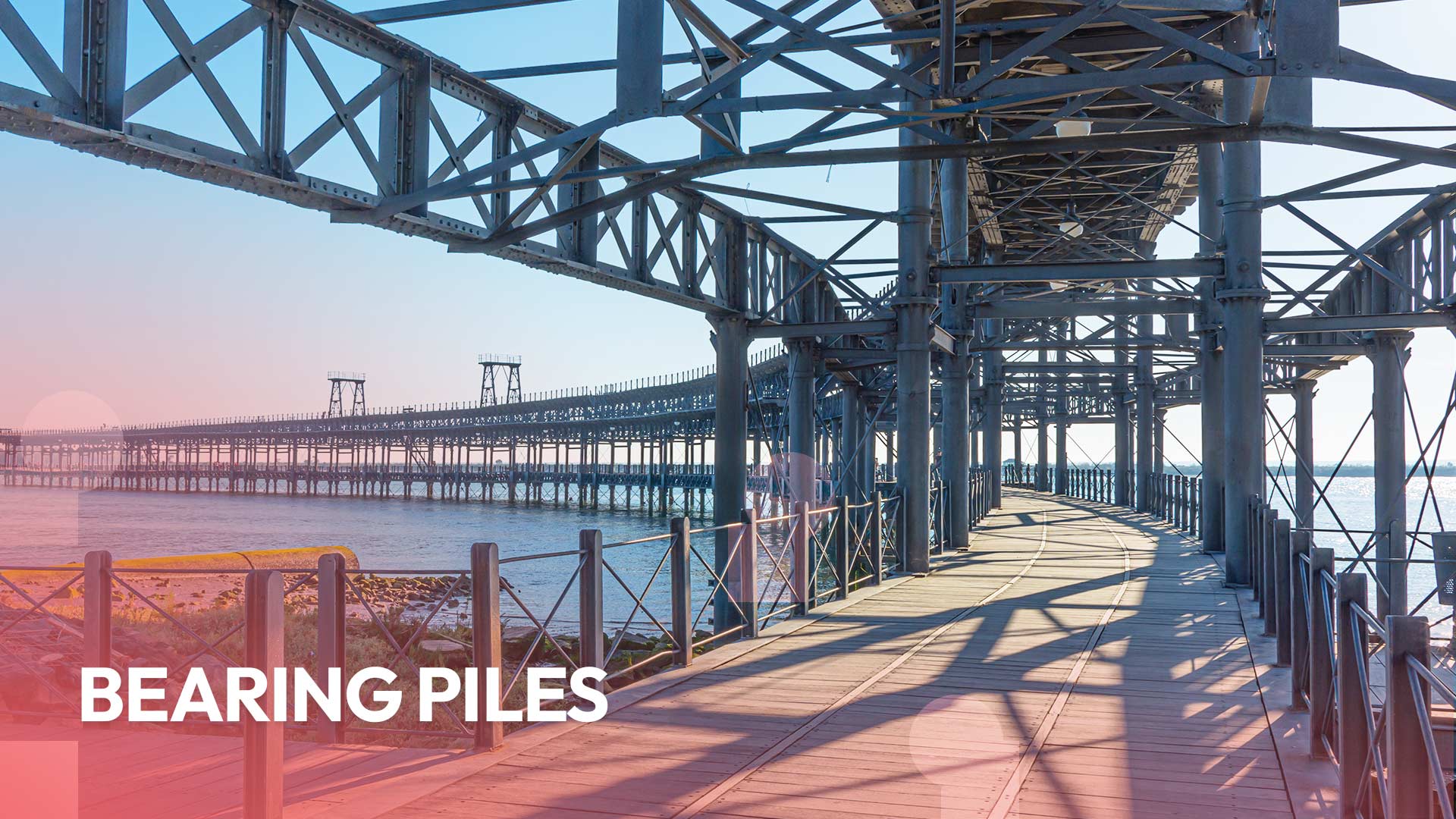
Bearing piles are a type of structural steel product that is used to be hammered into later solitary to support the load of the structures at the upper parts. These piles are used in foundations of constructions such as buildings or bridges and other structures that require immense support on grounds that the soil may not allow natural support. Casting piles transmit loads to the soil through the frame of the pile, thereby giving a good bearing base.
Uses:
- Foundation support for skyscrapers.
- Bridge foundations in areas with soft soil.
- Marine construction for piers and docks.
9. Angled Sections
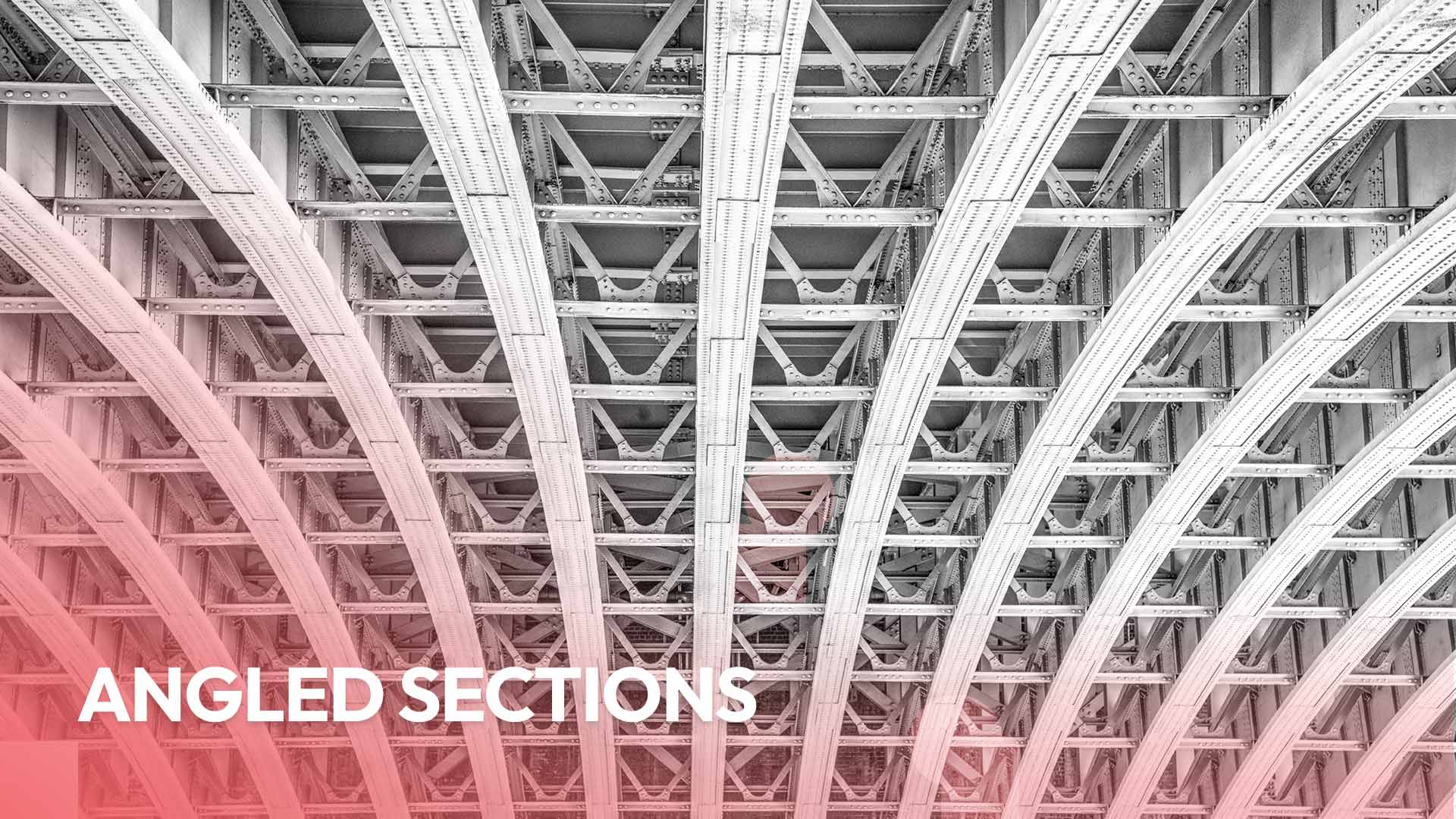
There is L-shaped steel but in different angles that allow support structures in certain positions, known as angled sections. There are many types of structural steel, and it can be easily used for connecting other steel members at any orientation. These are flap members that are used in the development of joints, bearing stress areas, and wherever there are transformations in the direction of loads.
Uses:
- Support beams for bridges and highways.
- Wall framing in residential and commercial buildings.
- Reinforcement for large-scale industrial structures.
10. Square & Rectangular Hollow Structural Sections
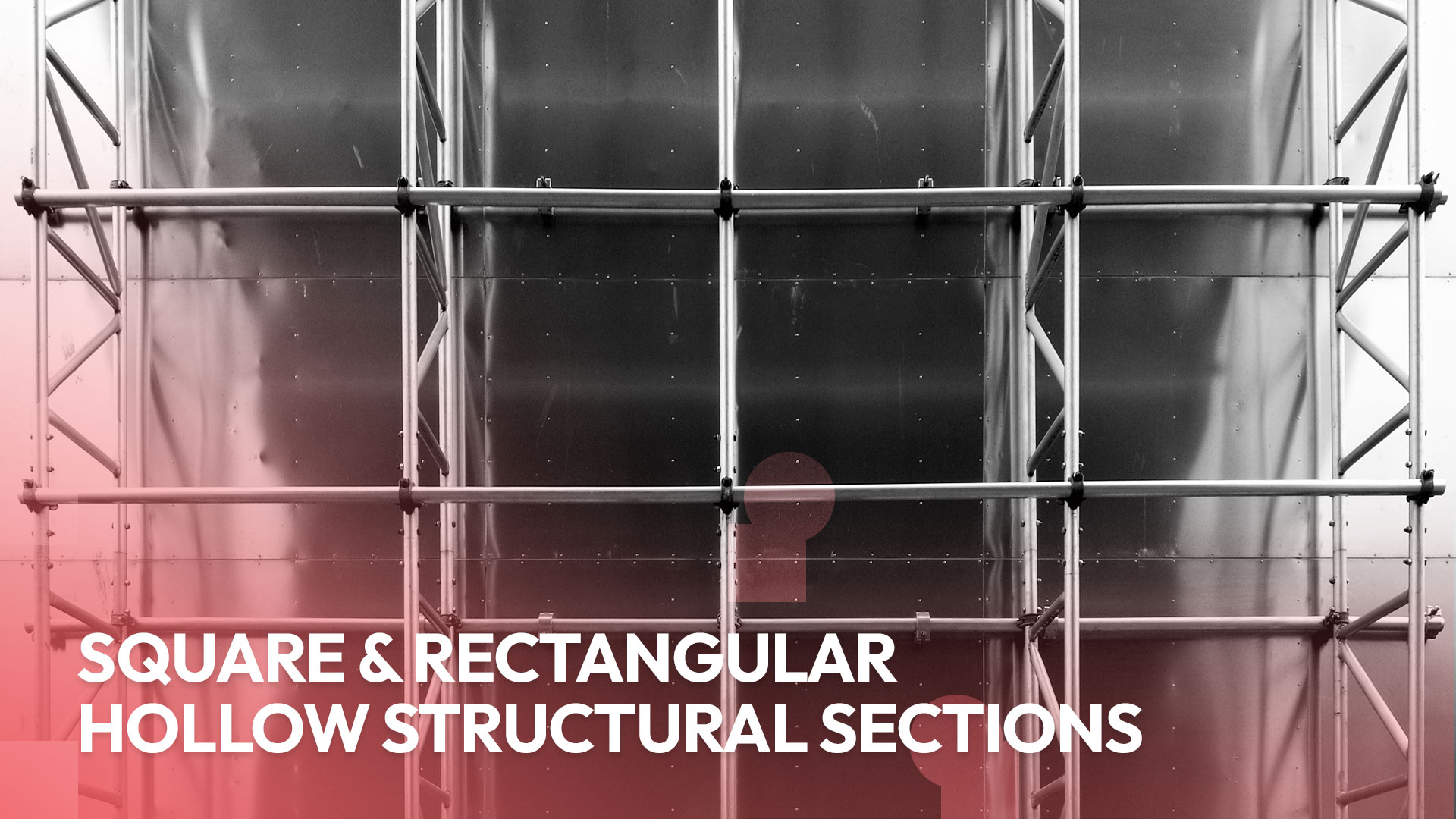
Square and rectangular hollow structural sections (HSS) are widely used for their strength and clean appearance. These types of structural steel are tubular and possess a box-in shape, which is suitable for most architectural applications. Lately, HSS has been in use in most building designs because of its elegance, besides being a light section that can bear much load.
Uses:
- Architectural columns in high-rise buildings.
- Structural framing for bridges.
- Support for stadiums and large-scale arenas.

Why Choose TeamHome For Building Construction in Bangalore?
Choosing the right types of structural steel is vital for ensuring that your construction project is both safe and durable. Each type has its specific uses, from universal beams to square hollow sections, providing the right support in different scenarios. Whether you’re building a home or a skyscraper, understanding the types of structural steel can make all the difference in your project’s success.
TeamHome, the best construction company in Bangalore, is here to build your DreamHome, decoding the tough uphill battle of construction. With our proficient professionals, we ensure that your dream comes true by making the home-building process easier, well-engineered, transparent, organized, cost-effective, fail-safe, and straightforward. Trust us to make your vision a reality.
Frequently Asked Questions (FAQs)
There are several types of structural steel, including universal beams, tee sections, tapered flange beams, channels, and bearing piles. Each type serves a specific function in construction.
The most commonly used type of structural steel is the universal beam, also known as an I-beam or H-beam, due to its versatility and load-bearing capacity.
Structural steel comes in various grades with different strengths and properties to suit diverse applications of types of structural steel.
Examples of types of structural steel include universal beams, angled sections, plates, and square hollow sections, each with specific uses in construction projects.